Title : Unlock Your Financial Potential: A Comprehensive Guide to Application Portfolio Management
Link : Unlock Your Financial Potential: A Comprehensive Guide to Application Portfolio Management
Unlock Your Financial Potential: A Comprehensive Guide to Application Portfolio Management
Application Portfolio Management: A gold mine waiting to be tapped…
In today's rapidly changing business landscape, organizations are constantly challenged to optimize their application portfolios to stay competitive and meet customer demands. However, many organizations struggle to manage their application portfolios effectively, leading to inefficiencies, wasted resources, and missed opportunities. This is where Application Portfolio Management (APM) comes into play. APM is a systematic approach to managing and optimizing an organization's application portfolio to achieve strategic business objectives.
APM helps organizations gain a comprehensive understanding of their application portfolio, including the applications' business value, performance, risks, and costs. By leveraging this information, organizations can make informed decisions about which applications to invest in, optimize, or retire. This leads to improved application performance, reduced costs, and increased agility, ultimately driving business success.
APM enables organizations to make strategic decisions about their application portfolios, such as identifying and prioritizing application investments, optimizing application performance and costs, and retiring legacy applications. By implementing APM, organizations can gain significant financial benefits, improved operational efficiency, and increased agility, positioning them for success in the digital age. APM is the key to unlocking the full potential of an organization's application portfolio, driving innovation, and achieving business excellence.
Application Portfolio Management: Money for the Taking
Center Image:
Application portfolio management (APM) is a critical discipline for organizations that rely on technology to achieve their business goals. By systematically managing the applications in their portfolio, organizations can optimize their IT investments, improve operational efficiency, and mitigate risks.
Center Image:
Benefits of Application Portfolio Management
APM offers numerous benefits to organizations, including:
- Improved IT investment decision-making: APM helps organizations make informed decisions about which applications to invest in, which to retire, and which to modernize.
- Increased operational efficiency: APM can help organizations streamline their IT operations, reduce costs, and improve service levels.
- Mitigated risks: APM can help organizations identify and mitigate risks associated with their applications, such as security vulnerabilities, compliance issues, and performance problems.
- Improved agility and innovation: APM can help organizations become more agile and innovative by enabling them to quickly respond to changing business needs.
Center Image:
Key Components of Application Portfolio Management
The key components of APM include:
- Application inventory: A comprehensive list of all applications in the organization's portfolio.
- Application categorization: Classifying applications based on their business criticality, technical complexity, and other factors.
- Application rationalization: The process of identifying and retiring applications that are no longer needed or are redundant.
- Application modernization: The process of updating and improving legacy applications to meet current business needs.
- Application governance: The policies and procedures that govern the management of applications.
Center Image:
Best Practices for Application Portfolio Management
There are a number of best practices that organizations can follow to improve their APM efforts, including:
- Establish clear goals and objectives: Define what you want to achieve with APM and align your efforts accordingly.
- Involve stakeholders: Get buy-in from key stakeholders, such as business leaders, IT leaders, and end-users.
- Use data-driven decision-making: Collect and analyze data on your applications to inform your decisions.
- Be agile and adaptable: Be prepared to adjust your APM strategy as needed to meet changing business needs.
- Continuously improve: Regularly review and refine your APM processes to ensure that they are effective.
Center Image: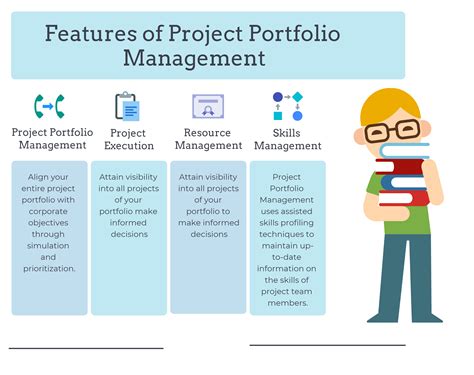
Challenges of Application Portfolio Management
APM can be a challenging discipline, and organizations often face a number of challenges, including:
- Lack of visibility into the application portfolio: Many organizations do not have a complete and accurate understanding of the applications in their portfolio.
- Competing priorities: IT leaders are often faced with competing priorities, and APM may not always be at the top of the list.
- Resistance to change: Some stakeholders may be resistant to change, which can make it difficult to implement APM initiatives.
- Lack of resources: Organizations may not have the resources, such as time, money, and staff, to effectively manage their application portfolio.
Center Image:
Emerging Trends in Application Portfolio Management
The field of APM is constantly evolving, and there are a number of emerging trends that organizations should be aware of, including:
- The rise of cloud computing: Cloud computing is changing the way that applications are developed, deployed, and managed.
- The increasing importance of data: Data is becoming increasingly important to organizations, and APM can help organizations manage their data assets effectively.
- The need for agility: Organizations are increasingly looking for ways to become more agile and innovative, and APM can help them achieve this goal.
- The focus on customer experience: Organizations are increasingly focused on improving the customer experience, and APM can help them deliver a better customer experience.
Center Image:
Future of Application Portfolio Management
The future of APM is bright. As organizations become increasingly reliant on technology, the need for effective APM will only grow. APM will continue to evolve to meet the needs of organizations, and new technologies and trends will emerge to help organizations manage their application portfolios more effectively.
Conclusion
APM is a critical discipline for organizations that rely on technology to achieve their business goals. By systematically managing the applications in their portfolio, organizations can optimize their IT investments, improve operational efficiency, and mitigate risks.
FAQs
- What are the benefits of APM?
APM can provide organizations with a number of benefits, including improved IT investment decision-making, increased operational efficiency, mitigated risks, and improved agility and innovation.
- What are the key components of APM?
The key components of APM include application inventory, application categorization, application rationalization, application modernization, and application governance.
- What are the best practices for APM?
Some of the best practices for APM include establishing clear goals and objectives, involving stakeholders, using data-driven decision-making, being agile and adaptable, and continuously improving.
- What are the challenges of APM?
Some of the challenges of APM include lack of visibility into the application portfolio, competing priorities, resistance to change, and lack of resources.
- What are the emerging trends in APM?
Some of the emerging trends in APM include the rise of cloud computing, the increasing importance of data, the need for agility, and the focus on customer experience.
.Thus this article Unlock Your Financial Potential: A Comprehensive Guide to Application Portfolio Management
You are now reading the article Unlock Your Financial Potential: A Comprehensive Guide to Application Portfolio Management with the link address https://bestcozzykitchen.blogspot.com/2024/02/unlock-your-financial-potential.html
