Title : Cybersecurity Shields Up: Secure Your Virtual Machines with Robust Backup Strategies
Link : Cybersecurity Shields Up: Secure Your Virtual Machines with Robust Backup Strategies
Cybersecurity Shields Up: Secure Your Virtual Machines with Robust Backup Strategies
Cybersecurity is a critical issue in the modern world. With the increasing frequency of cyberattacks, it's more crucial than ever to have a robust security posture. One aspect that is often overlooked is the importance of virtual machine (VM) backups. By implementing a proper VM backup strategy, organizations can significantly enhance their cybersecurity posture and protect their data from loss or corruption.
The consequences of not having a proper VM backup strategy can be severe. A cyberattack can easily corrupt or delete VM data, leading to downtime, data loss, and financial losses. Additionally, a lack of VM backups can make it difficult to recover from hardware failures or natural disasters.
By implementing a VM backup strategy, organizations can mitigate these risks and ensure that their data is always protected. VM backups can be used to quickly restore data in the event of a cyberattack, hardware failure, or natural disaster. Additionally, VM backups can be used for testing and development purposes, allowing organizations to experiment with new technologies without risking their production data.
Organizations can protect their data and ensure business continuity by implementing a proper VM backup strategy. It is a critical component of a comprehensive cybersecurity strategy and should be a top priority for organizations of all sizes.
Raising Cybersecurity Awareness: Implementing a Proper VM Backup Cyber Guards
Navigating the Maze of Cyber Risks: The Need for Robust VM Backup
Our increasingly interconnected world has rendered cybersecurity a paramount concern. Virtual machines (VMs) play a pivotal role in modern computing, serving as isolated and flexible computing environments that emulate physical machines. However, VMs are susceptible to various cyber threats, including malware, ransomware attacks, and data breaches.
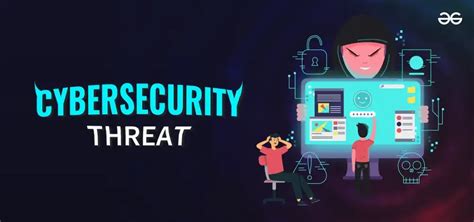
VM Backup: A Shield Against Cyber Threats
A proper VM backup strategy is akin to an impenetrable fortress, safeguarding data and applications from cyberattacks. By diligently creating copies of VMs, organizations can effectively mitigate risks and ensure business continuity.
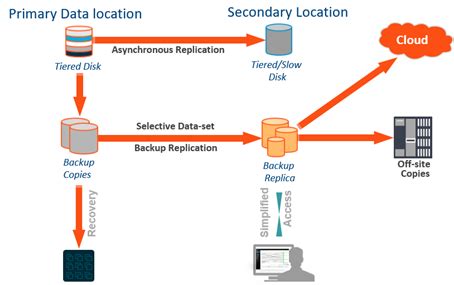
Elements of an Effective VM Backup Strategy
A comprehensive VM backup strategy comprises several crucial components:
1. Full Backup: A comprehensive snapshot of an entire VM, capturing its operating system, applications, and data.
2. Incremental Backup: Subsequent backups that capture only changes since the last full backup, reducing storage requirements.
3. Differential Backup: Captures changes since the last full backup, allowing for faster recovery times compared to incremental backups.
4. Synthetic Full Backup: Combines all changes from incremental or differential backups into a single, full backup file, streamlining recovery.
5. Backup Frequency and Retention: Organizations must determine the frequency of backups based on data criticality and retention periods for regulatory compliance.

Selecting the Optimal Backup Storage Option
When choosing a backup storage solution, organizations can select from a range of options:
1. On-Premises Backup: Storing backups within the organization's own infrastructure, providing direct control and customization.
2. Cloud-Based Backup: Utilizing cloud services for backup storage, offering scalability, accessibility, and off-site protection.
3. Hybrid Backup: Combining on-premises and cloud-based backup solutions for added resilience and flexibility.
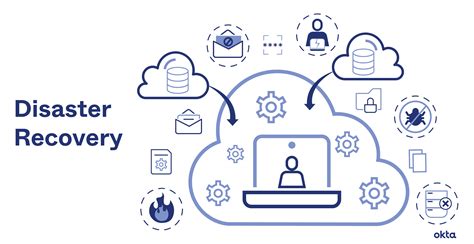
Seamless Disaster Recovery: The Cornerstone of Business Continuity
Creating VM backups is just one piece of the puzzle. Organizations must also establish a comprehensive disaster recovery plan to ensure rapid and efficient recovery from disruptive events. This plan should encompass:
1. Recovery Point Objective (RPO): The maximum allowable data loss during a disaster.
2. Recovery Time Objective (RTO): The targeted time frame for restoring systems and data after a disaster.
3. Recovery Testing: Regularly conducting drills to validate the effectiveness of the disaster recovery plan.

Vigilant Monitoring and Security Measures
To fortify VM backups against malicious intent, organizations should implement robust security measures:
1. Encryption: Encrypting backups at rest and in transit, safeguarding data from unauthorized access.
2. Multi-Factor Authentication (MFA): Requiring multiple forms of identification for accessing backup systems, adding an extra layer of security.
3. Regular Security Audits: Conducting periodic audits to identify vulnerabilities and ensure compliance with security standards.

The Human Firewall: Educating Employees
Empowering employees with cybersecurity knowledge is vital in preventing data breaches and cyberattacks. Organizations must offer comprehensive training programs that cover:
1. Identifying Phishing Attempts: Recognizing and avoiding fraudulent emails and websites designed to steal sensitive information.
2. Password Management: Implementing strong password practices, including using unique passwords for different accounts and changing them regularly.
3. Reporting Suspicious Activity: Encouraging employees to promptly report any suspicious emails, website behaviors, or system anomalies.
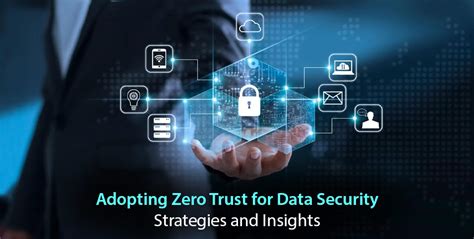
Embracing the Zero-Trust Model: A Paradigm Shift
Organizations can enhance their cybersecurity posture by adopting a zero-trust approach, which assumes that all users, devices, and networks are inherently untrustworthy. This model mandates verification and authorization for every access attempt, regardless of the user's location or device.
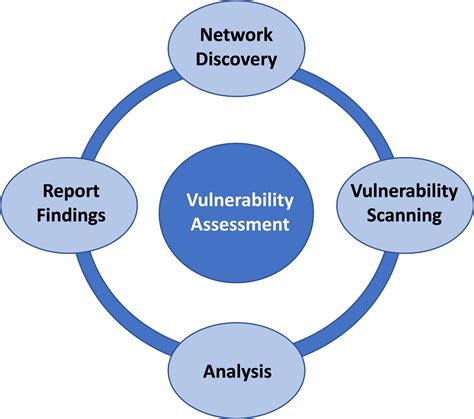
Staying Vigilant: Continuous Vulnerability Assessment
Organizations must continually scan their systems for vulnerabilities that could be exploited by attackers. This proactive approach involves:
1. Regular Security Audits: Conducting periodic assessments to identify vulnerabilities and misconfigurations.
2. Patch Management: Promptly applying security patches and updates to eliminate vulnerabilities.
3. Penetration Testing: Simulating cyberattacks to uncover exploitable vulnerabilities before malicious actors do.
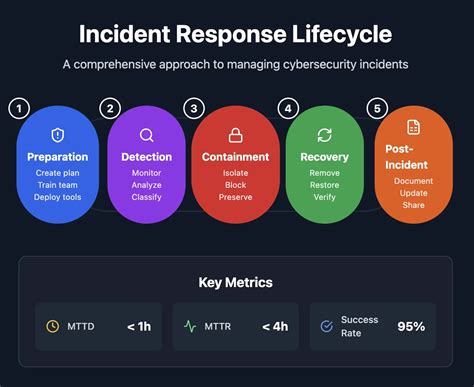
Swift Response in the Face of Attacks: Incident Response Plans
Despite the most stringent security measures, cyberattacks can still occur. Therefore, organizations should establish a well-defined incident response plan that outlines:
1. Incident Detection and Reporting: Prompt identification and communication of security incidents.
2. Containment and Mitigation: Taking immediate steps to contain the incident and minimize its impact.
3. Investigation and Analysis: Conducting thorough investigations to determine the root cause and implement preventive measures.
Conclusion: A Collective Effort Towards Cyber Resilience
Implementing a robust VM backup strategy is a cornerstone of cybersecurity, safeguarding data and business operations from cyber threats. However, it is merely one aspect of a comprehensive cybersecurity strategy. Organizations must also prioritize employee education, adopt a zero-trust approach, continuously assess vulnerabilities, and establish incident response plans. By adopting these measures, organizations can significantly bolster their cyber defenses and navigate the ever-changing cybersecurity landscape with confidence.
FAQs:
Q1. What is the primary purpose of VM backup? A: VM backup is essential for protecting data, applications, and system configurations from cyber threats and ensuring business continuity in the event of disasters.
Q2. How frequently should VM backups be performed? A: The frequency of VM backups depends on the criticality of the data and organizational policies. Daily or weekly backups are generally recommended, with more frequent backups for highly sensitive data.
Q3. Which backup storage option is most suitable for small businesses? A: For small businesses with limited resources, cloud-based backup solutions often provide a cost-effective and scalable backup storage option.
Q4. What is the zero-trust model in cybersecurity? A: The zero-trust model assumes that all users, devices, and networks are inherently untrustworthy, requiring verification and authorization for every access attempt.
Q5. What are the key elements of an effective incident response plan? A: An effective incident response plan should include incident detection and reporting, containment and mitigation, investigation and analysis, and a clear communication strategy.